electric-two-wheeler-business-opportunities-environmental-policy
1. Introduction: Environmental Policy Is No Longer Regulation—It Is Market Engineering
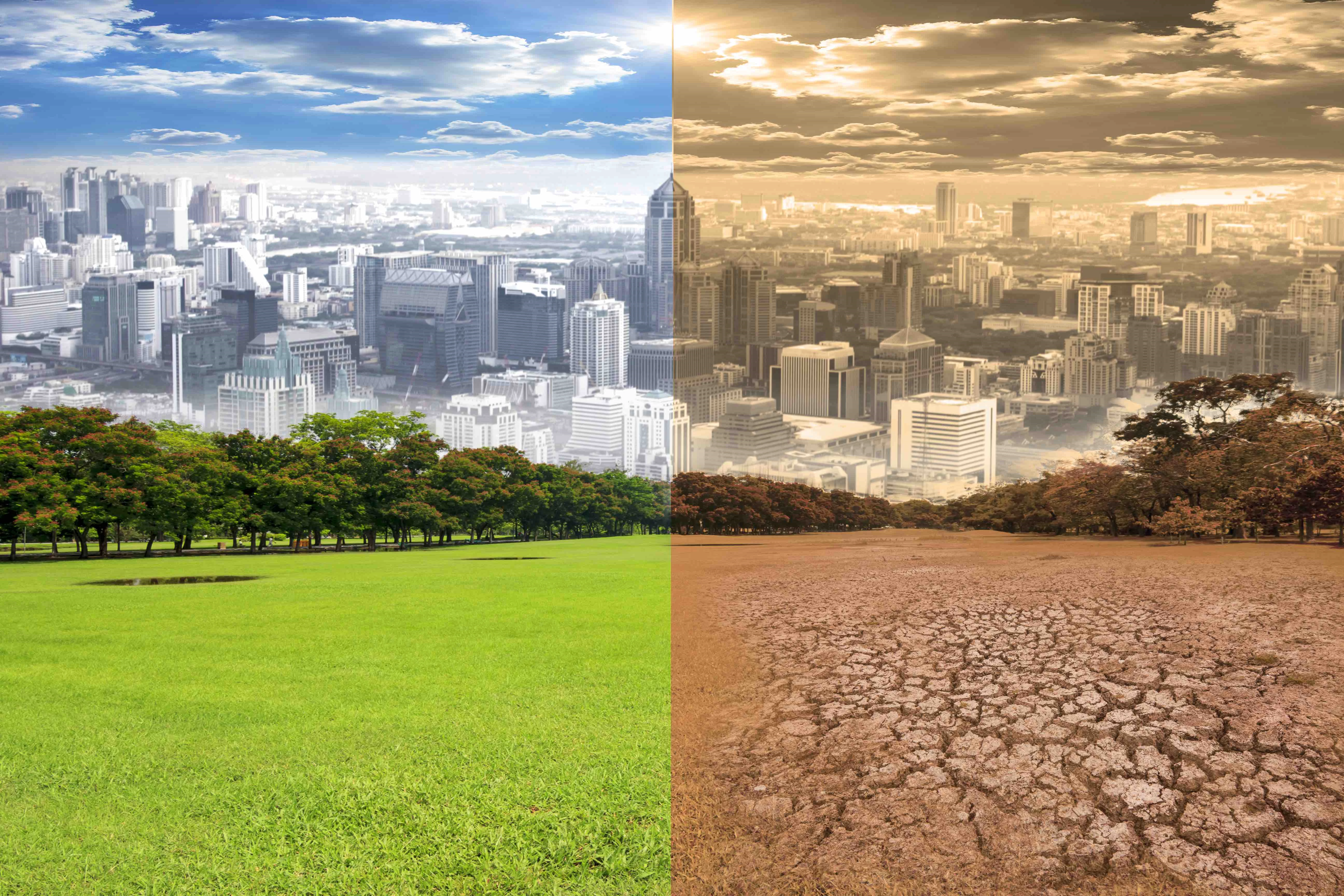
Over the past decade, environmental policies have evolved from regulatory frameworks into powerful market-driving forces. Governments are no longer only “restricting emissions”—they are actively reshaping transportation demand.
According to McKinsey, electrification of two-wheelers is one of the fastest-growing mobility transitions globally, with up to 30% of global two-wheeler sales expected to be electric by 2030 in many scenarios (McKinsey & Company).
For dealers and distributors, this shift is critical:
Policy is not a cost factor—it is a demand generator.
2. Policy Drivers: The Real Engine Behind Market Growth
Environmental policies influence demand through four main mechanisms:
1. Emission Restrictions
Cities are restricting or banning ICE vehicles.
2. Fuel Cost Pressure
Fuel subsidy reductions increase ICE operating costs.
3. EV Incentives
Tax reductions and subsidies improve affordability.
4. Urban Mobility Policies
Low-emission zones and clean transport mandates.
A recent example is Delhi’s EV policy draft, which proposes banning new petrol two-wheelers by 2028 (The Economic Times).
3. Why Electric Two-Wheelers Are the First Beneficiary of Policy Pressure
Among all vehicle categories, electric two-wheelers are the fastest to benefit from environmental policies due to their unique cost structure and usage pattern.
Key reasons:
- Low purchase cost compared to EV cars
- Simple infrastructure requirements
- High dependence on fuel in developing countries
- Massive existing ICE two-wheeler base
- High urban usage intensity (delivery + commuting)
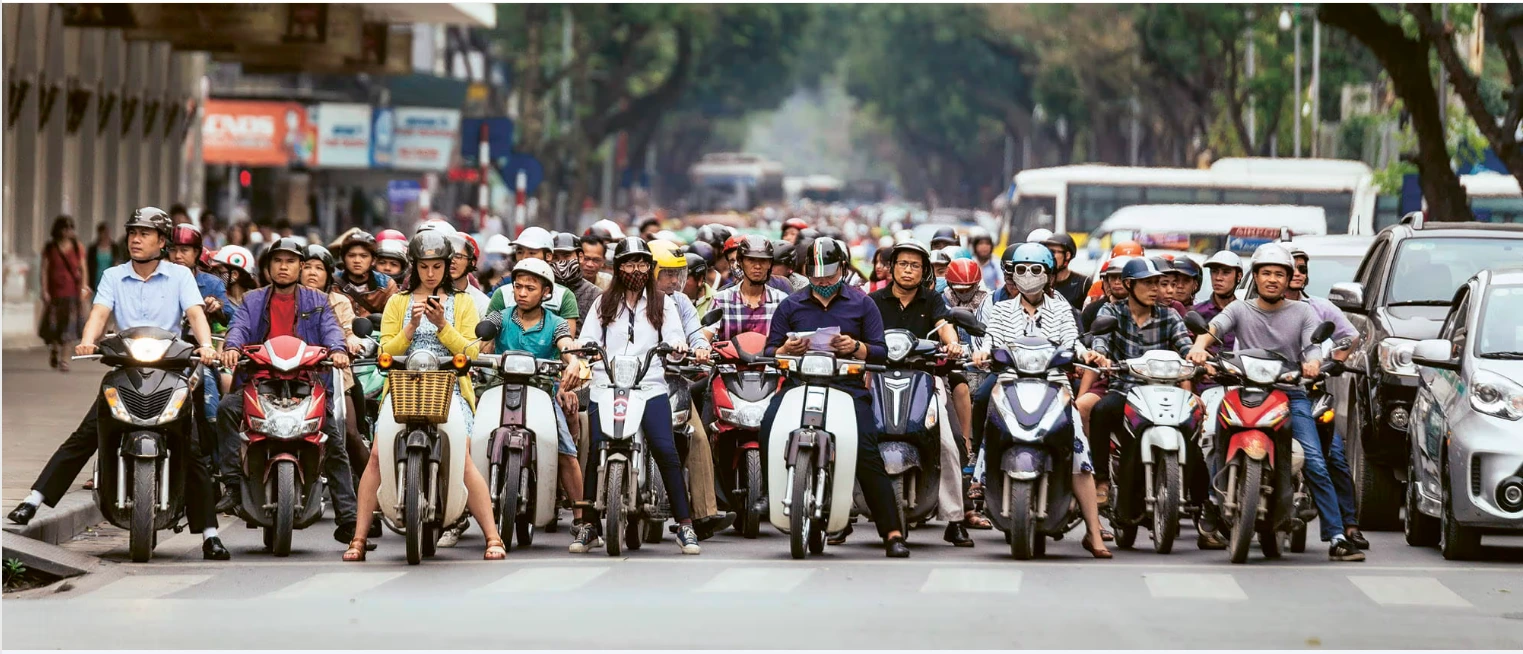
Industry data shows that two-wheelers account for a large share of urban mobility in Asia, Africa, and Latin America, making them the primary target for electrification policies.
4. Commercial Reality: Total Cost of Ownership (TCO) Is the Core Decision Factor
The real driver of adoption is not environmental awareness—it is economics.
Key factors:
-
Lower energy cost per km
-
Reduced maintenance cost
-
Stable operating expense
-
Government tax advantages
A study from CEEW shows electric two-wheelers can cost significantly less per kilometer than petrol vehicles, making them the most economical transport option in India (The Economic Times).
McKinsey also confirms that in many markets, EV two-wheelers are already reaching TCO parity with ICE vehicles (McKinsey & Company).
5. The Most Profitable Segment: Commercial Fleets
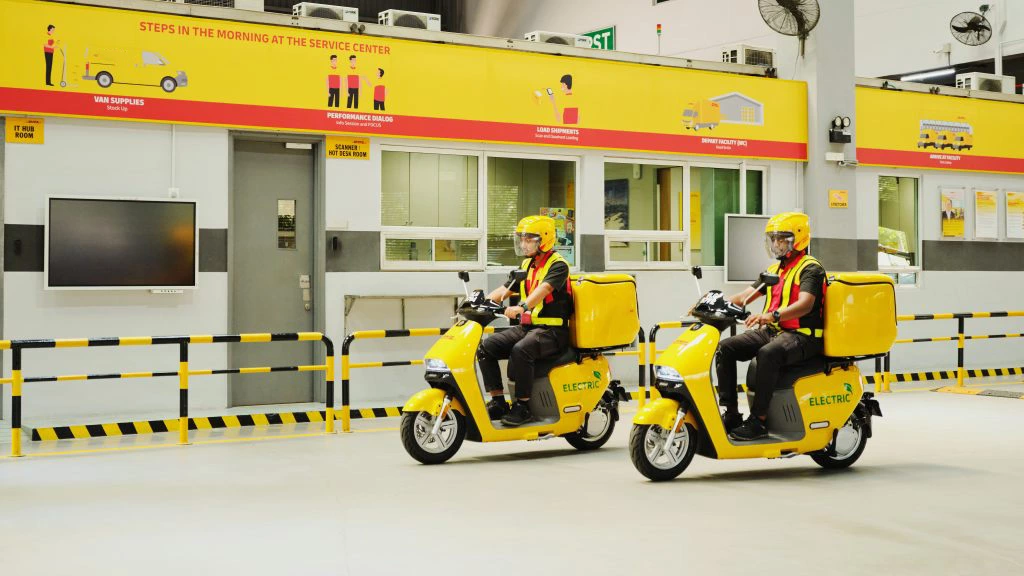
The strongest growth segment for electric two-wheelers is not individual consumers—it is commercial fleets.
Key segments include:
- Food delivery companies
- Last-mile logistics
- Motorcycle taxi services
- Urban courier networks
Why fleets matter:
- High daily mileage
- Predictable operating routes
- Strong sensitivity to fuel cost
- Fast ROI calculation
For dealers, fleet sales mean:
- Bulk orders
- Repeat purchases
- Long-term service contracts
- Stable cash flow
This is where environmental policy becomes direct profit.
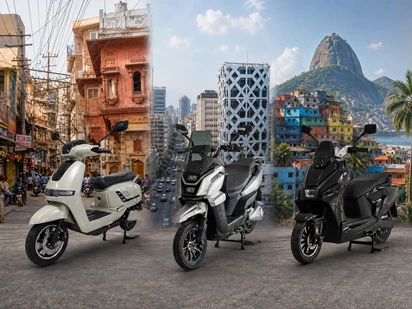
6. Geographic Opportunity Map
Fastest-growing regions:
-
India (second-largest EV two-wheeler market globally) (The Times of India)
-
Southeast Asia (Indonesia, Vietnam, Thailand)
-
Africa (Nigeria, Kenya, Egypt)
-
Latin America (Brazil, Colombia)
These regions share common features:
- Large two-wheeler population
- High fuel import dependency
- Rapid urbanization
- Weak public transport coverage
For dealers, these markets represent the highest ROI expansion zones.
7. Hidden Profit Layer: After-Sales Service and Lifecycle Value
Beyond vehicle sales, environmental policies indirectly expand the after-sales ecosystem.
Key profit drivers:
- Battery replacement cycles
- Maintenance services
- Spare parts demand
- Software and fleet management services
Unlike traditional motorcycles, electric two-wheelers shift profit from one-time sales to long-term lifecycle value.
This transforms dealers from “sellers” into “mobility service providers.”
8. Risks Dealers Must Manage
-
Policy volatility
-
Price competition
-
Product quality inconsistency
-
After-sales capability requirements
-
Market education gap
Success depends not on selling cheap vehicles, but on building a reliable ecosystem.
9. Conclusion: Policy = Demand + Profit Redistribution
Environmental policies should not be interpreted as regulatory pressure, but as structured demand creation systems.
For dealers, early positioning leads to:
-
Faster market entry
-
Higher fleet contracts
-
Stronger recurring revenue
-
Long-term customer retention
Electric two-wheelers are no longer just vehicles—they are a scalable mobility business.
This article is based on:
- Global research institutions (McKinsey, IEA)
- Government policy updates (India EV policies, urban bans)
- Market adoption data (India, Southeast Asia)
- Industry news reports and fleet electrification trends
Recent data shows India alone sold 1.3 million electric two-wheelers in 2025, making it the world’s second-largest EV two-wheeler market (The Times of India).
Fleet electrification (delivery and logistics) is also accelerating, driven by cost efficiency and policy incentives (金融时报).
📌 FAQ
Q1: Are environmental policies really driving electric two-wheelers?
Yes. Policies directly influence cost, restrictions, and incentives, accelerating adoption.
Q2: What is the biggest business opportunity in electric two-wheelers?
Commercial fleets and logistics operators offer the highest and most stable profit.
Q3: Which regions have the highest growth potential?
India, Southeast Asia, Africa, and Latin America.