Electric Scooter Dealer Checklist: 12 Things You Must Prepare Before Your First Sale
Starting an electric scooter dealership can be a profitable move, but success depends on more than choosing the right models.
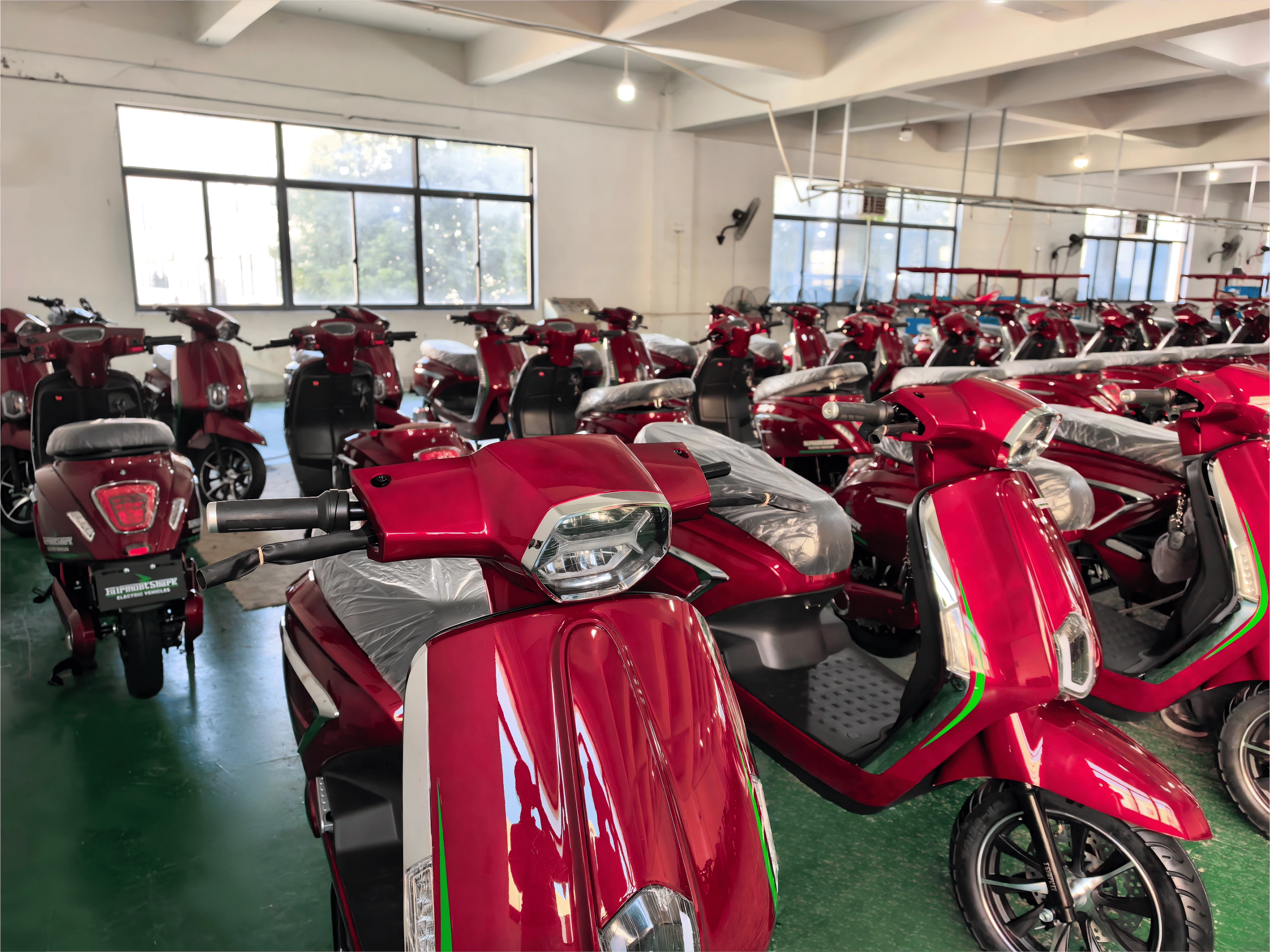
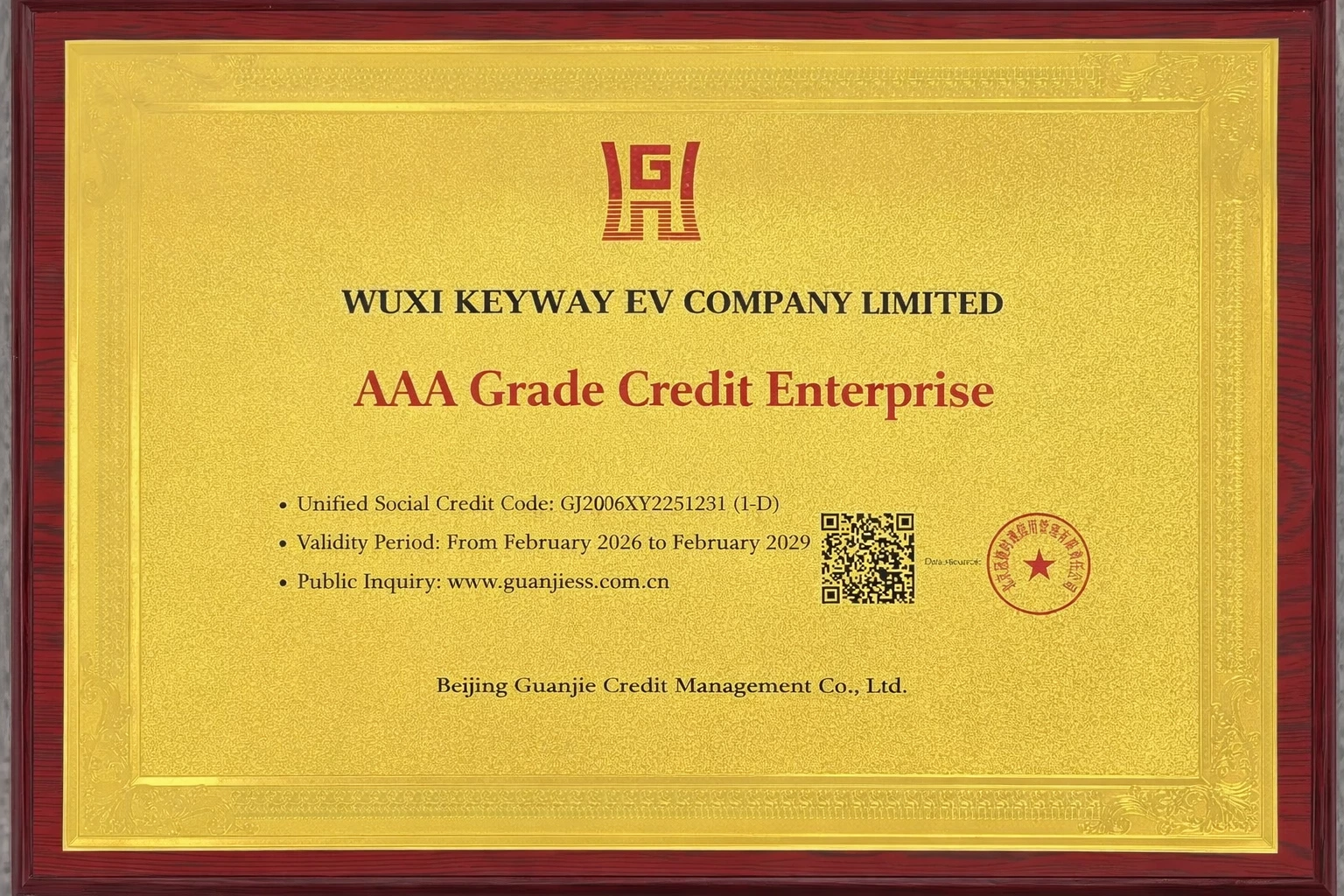
Many new dealers rush into product selection and overlook the basics that actually determine whether the business will grow: market demand, supplier reliability, inventory planning, and after-sales support. At KeywayEV, we've worked with distributors, importers, and wholesale partners across Africa, South America, Southeast Asia, and the Middle East. One lesson remains the same: dealerships that prepare before importing usually grow much faster than those that simply chase the lowest price.
This checklist will help you prepare the right way before your first sale, so you can launch with more confidence and fewer costly mistakes.
1. Research Your Local Market First
Before contacting manufacturers or placing your first order, understand who your customers are.
Ask yourself:
-
Are most buyers daily commuters?
-
Is food delivery a growing industry?
-
Do customers prefer affordable models or premium scooters?
-
Are roads suitable for lightweight scooters or heavy-duty models?
Different markets require different products. Selling the right scooter is always easier than trying to convince customers to buy the wrong one.
2. Build a Product Line That Matches Your Market
Many first-time dealers believe that offering more models means more sales.
In reality, too many similar products often confuse customers and increase inventory costs.
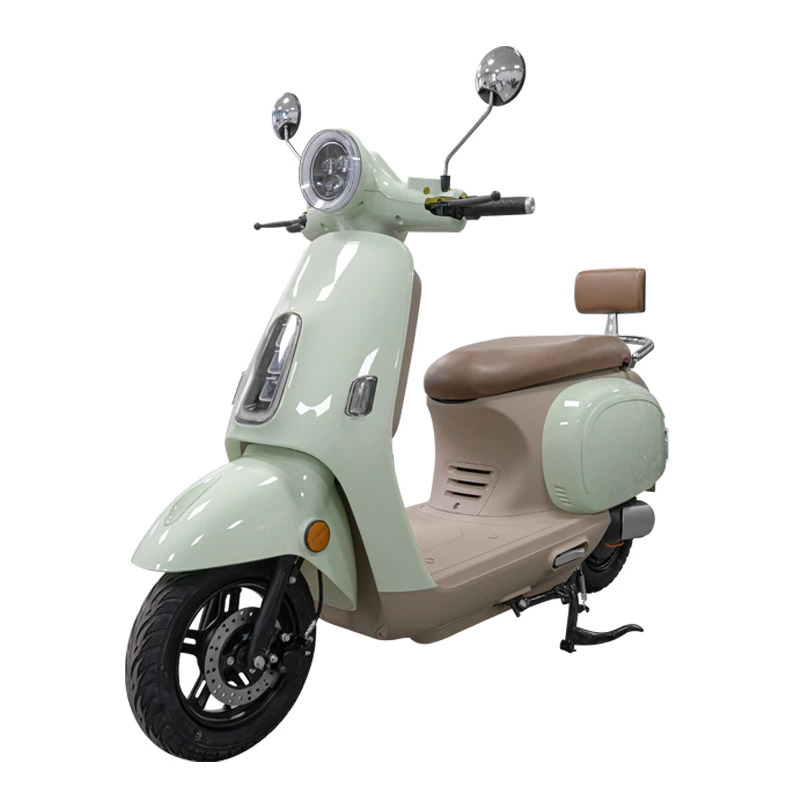
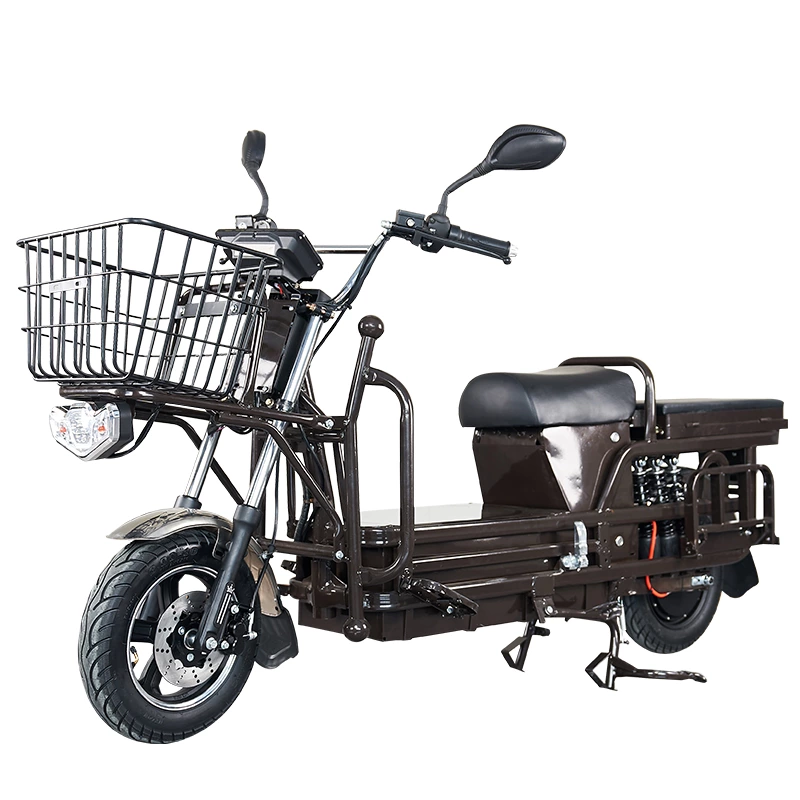
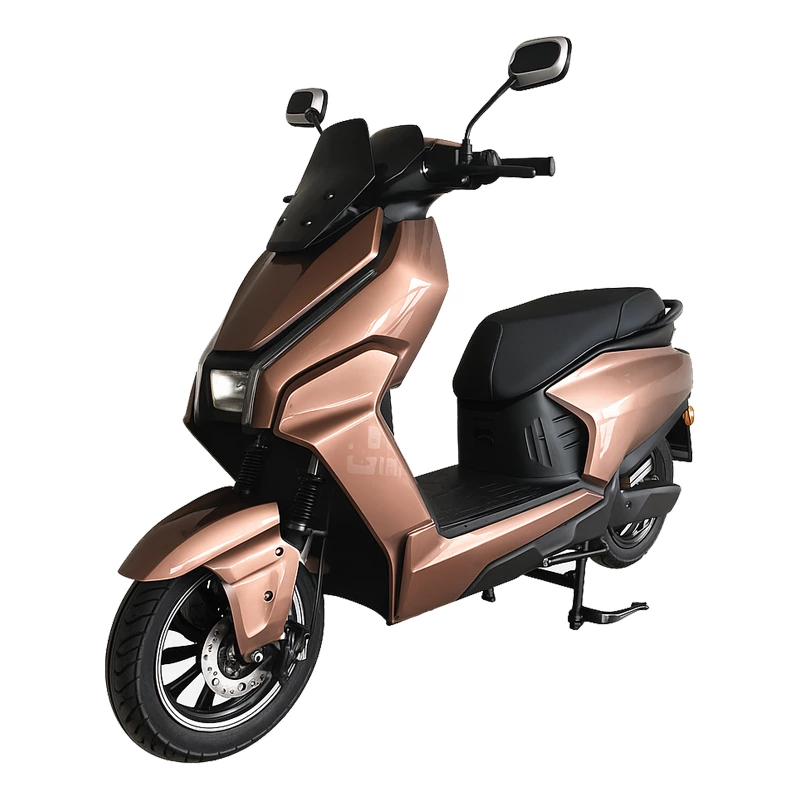
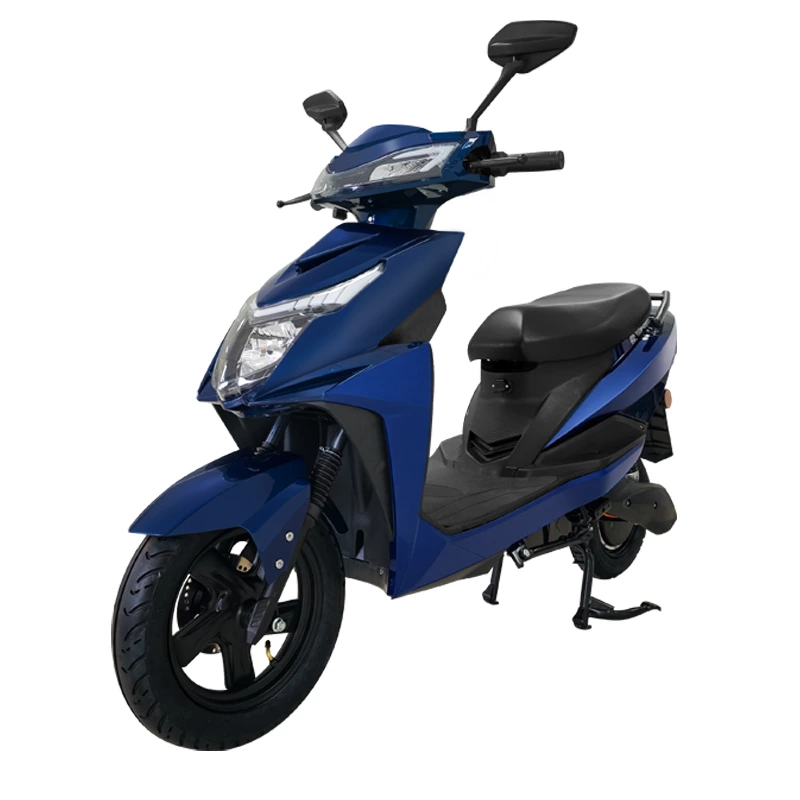
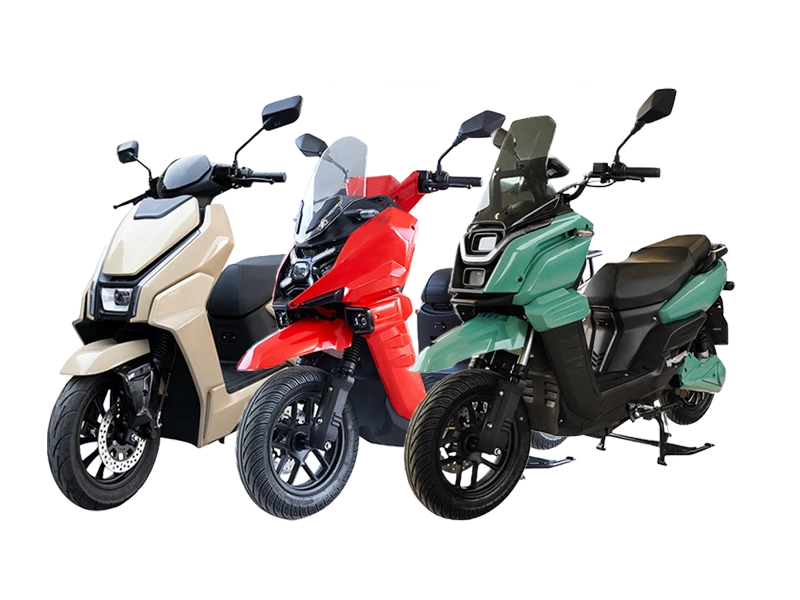
A better strategy is to build a balanced product lineup, such as:
-
Entry-level scooters for budget-conscious buyers
-
Mid-range commuter models as your main sellers
-
Cargo or delivery scooters for commercial use
-
Premium models for customers looking for higher performance
A focused product portfolio is usually easier to manage and more profitable.
3. Choose the Right Wholesale Supplier
Your supplier is more than just a factory—they are your long-term business partner.
When evaluating manufacturers, don't only compare prices. Also consider:
-
Manufacturing experience
-
Product quality
-
OEM and ODM capabilities
-
Spare parts availability
-
Production capacity
-
Delivery time
-
Technical support
A dependable supplier helps reduce business risks and makes future expansion much easier.
4. Prepare Spare Parts Before Customers Need Them
One of the biggest mistakes new dealers make is waiting until a customer needs repairs before ordering spare parts.
Keep commonly replaced parts in stock, including:
- Brake pads
- Tires
- Chargers
- Controllers
- Displays
- Lights
- Plastic body panels
Fast repairs improve customer satisfaction and help build your reputation.
5. Build a Simple After-Sales Service System
Selling a scooter is only the beginning of the customer relationship.
Before opening your business, prepare answers for questions like:
- How will warranty claims be handled?
- Who performs repairs?
- How quickly can replacement parts be delivered?
- How will customers contact you for support?
Even a simple after-sales process can make your dealership appear more professional and trustworthy.
6. Understand Local Regulations
Every country has different requirements for importing and selling electric scooters.
Before placing your first order, check:
- Import regulations
- Vehicle certifications
- Battery transportation requirements
- Customs documentation
- Local road regulations
Preparing these documents in advance can save significant time and avoid unnecessary delays during customs clearance.
7. Start with a Smart Inventory Plan
Buying a large quantity of scooters may reduce the unit price, but it also increases financial pressure.
Our recommendation for new dealers is simple:
Start with a smaller order.
Test customer demand.
Collect feedback.
Then expand your inventory based on actual sales.
Growing step by step is usually safer than investing heavily before understanding the market.
8. Prepare Your Marketing Before the Shipment Arrives
Marketing should begin before your scooters reach your warehouse.
Prepare:
- Professional product photos
- Short product videos
- Product specifications
- Digital catalogs
- Social media content
- WhatsApp product catalogs
- Website product pages
When your first shipment arrives, you should already have customers interested in your products.
9. Train Yourself and Your Sales Team
Customers don't only buy scooters—they buy confidence.
Whether you work alone or have a sales team, everyone should understand:
- Basic scooter specifications
- Battery differences
- Charging methods
- Riding range
- Maintenance requirements
- Suitable customer applications
Knowledge builds trust, and trust leads to sales.
10. Calculate Your Costs Carefully
Many beginners focus only on the factory price.
In reality, your final cost also includes:
- Ocean freight
- Import duties
- Local transportation
- Warehousing
- Marketing
- Warranty costs
- Spare parts inventory
Understanding your total cost helps you set a competitive selling price while maintaining healthy profit margins.
11. Build a Customer Support Process
Good customer service encourages repeat business and referrals.
Create a simple support workflow that covers:
- Product inquiries
- Order updates
- Delivery tracking
- Technical support
- Warranty requests
- Maintenance reminders
Customers remember how you solve problems long after they forget the purchase price.
12. Think Beyond Your First Sale
The most successful dealers don't focus on selling one scooter—they focus on building a long-term business.
As your dealership grows, consider expanding into:
- Fleet sales
- Corporate customers
- Government projects
- Battery swapping solutions
- OEM branding
- Regional distribution
Planning for growth from the beginning makes future expansion much easier.
Whether you choose KeywayEV or another experienced manufacturer, selecting a supplier that can support your business beyond the first shipment is one of the most important decisions you'll make.
Final Thoughts
From our experience in the electric two-wheeler industry, successful dealerships are not built by importing the cheapest scooters or stocking the largest inventory.They succeed because they prepare before they sell.Understanding your market, choosing the right supplier, building a practical product lineup, preparing spare parts, and providing reliable after-sales support are the foundations of a sustainable business.
If you're just entering the electric scooter industry, don't rush your first order. Build a solid business system first, and every shipment after that will become easier to manage.A strong start doesn't guarantee success—but it gives your dealership the best chance to grow steadily in an increasingly competitive market.
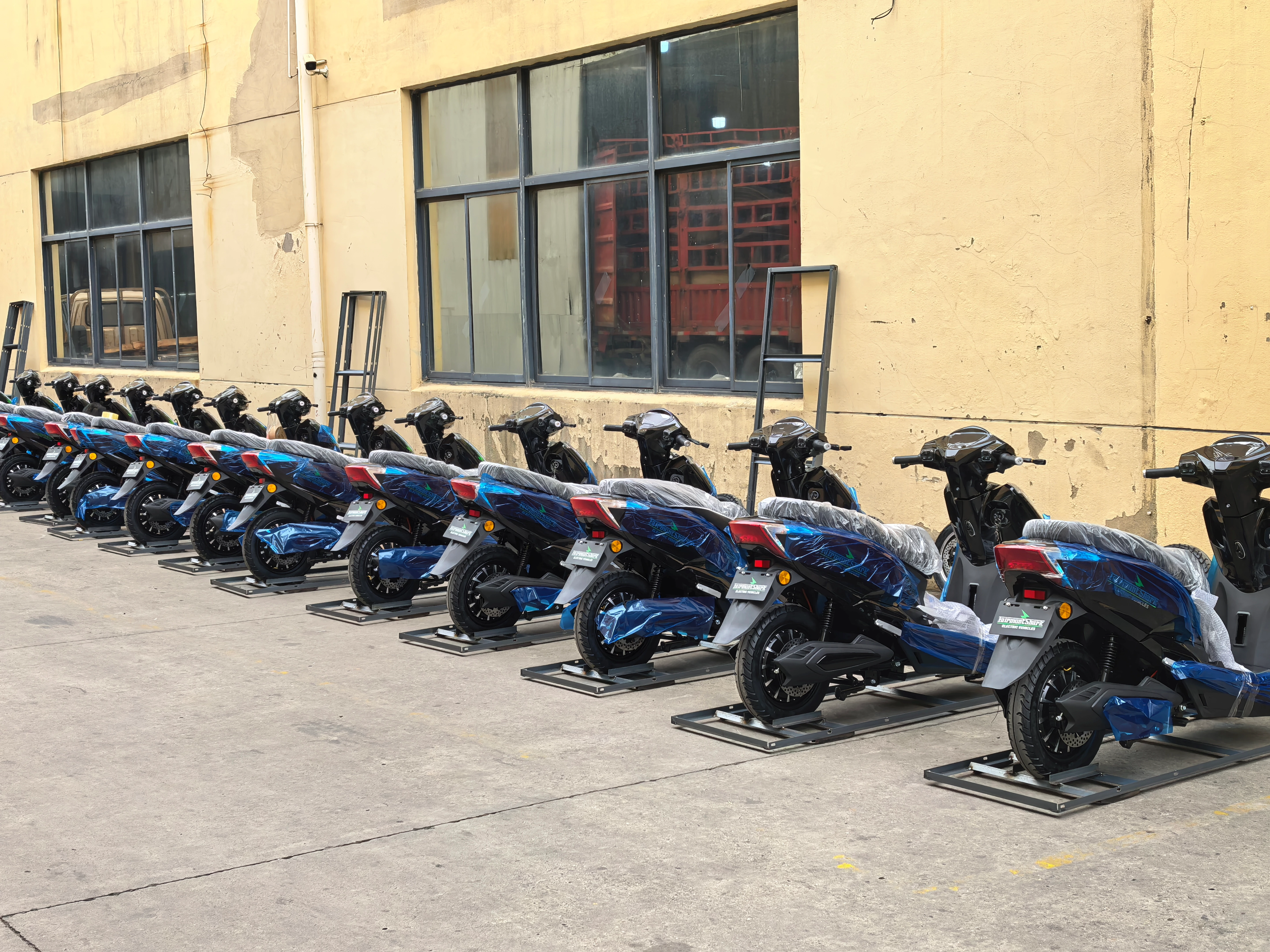
If you're looking for an experienced electric scooter OEM manufacturer, KeywayEV supports distributors with wholesale supply, OEM/ODM customization, CKD/SKD assembly solutions, marketing materials, spare parts support, and long-term technical assistance.We're always happy to discuss your market and help you build the right product strategy before your first order.
FAQ
-
How much inventory should a new electric scooter dealer buy?
For most new dealers, a small trial order is the safest approach. It allows you to test market demand, reduce inventory pressure, and adjust your product mix before placing larger orders.
-
How do I choose a reliable electric scooter supplier?
-
What spare parts should every dealer keep in stock?
Essential spare parts include brake pads, tires, chargers, controllers, displays, lights, and commonly replaced plastic components. Keeping these items available helps provide faster after-sales service.
-
Can I start an electric scooter business without a showroom?
Yes. Many dealers begin by selling through social media, online marketplaces, or local distributor networks before investing in a physical showroom.
-
What support should a good OEM manufacturer provide?