How Electric Two-Wheelers Help Wholesale Buyers Reduce Business Risks
Introduction:
Buying Electric Two-Wheelers Is Not Only About Products, It Is About Building a Lower-Risk Business Model
The electric two-wheeler industry is growing rapidly across emerging markets, including India, Africa, Southeast Asia, the Middle East, and South America. More wholesalers, importers, and distributors are entering this market because electric vehicles provide new business opportunities with lower operating costs and strong market potential.
However, for wholesale buyers, purchasing electric vehicles in bulk is not simply a matter of finding the lowest price. A cheaper purchase price does not always mean higher profit. In many cases, the biggest risks appear after the shipment arrives:
- Inventory remains unsold for a long time.
- Customers complain about product quality.
- Spare parts are unavailable after sales.
- Market demand changes faster than expected.
- Supplier delivery is unstable.
The biggest challenge for electric vehicle wholesalers is not buying vehicles at a low price, but reducing risks throughout the entire business cycle — from sourcing, inventory, sales, after-sales service to market expansion.
A successful electric two-wheeler business is not built only on products. It is built on a reliable business system.
1. Standardized Electric Two-Wheelers Help Reduce Inventory Risk
Inventory management is one of the biggest challenges for electric vehicle wholesalers.
Many new distributors make the mistake of choosing too many models at the beginning. They believe a larger product range can attract more customers. However, excessive product variety often creates additional problems:
- More spare parts are required.
- More technical knowledge is needed.
- Inventory turnover becomes slower.
- Marketing becomes more complicated.
For wholesalers, choosing the right product portfolio is more important than having hundreds of different models.
Why standardized models reduce business risks
1. Faster market testing
Instead of importing many different models, wholesalers can start with several proven models that match local customer needs.
This approach helps businesses:
- Reduce initial investment pressure.
- Understand customer preferences.
- Adjust purchasing decisions based on real market feedback.
2. Easier inventory management
A well-designed product line allows wholesalers to share common components among different models.
For example:
- Same battery platforms
- Similar controllers
- Common spare parts
This reduces warehouse pressure and improves after-sales efficiency.
2. Reliable Product Quality Reduces After-Sales Risk
For electric vehicle wholesalers, after-sales problems are often more expensive than the initial product cost.
A low-price vehicle with poor reliability may create:
- Frequent customer complaints.
- Distributor reputation damage.
- Increased repair costs.
- Lower repeat orders.
Electric two-wheelers naturally have advantages in reducing maintenance risks because their mechanical structure is simpler than traditional fuel motorcycles.
Traditional motorcycles usually require maintenance for:
- Engine systems
- Fuel systems
- Transmission systems
Electric two-wheelers mainly focus on:
- Battery
- Motor
- Controller
- Brake system
With fewer mechanical components, maintenance becomes easier and technician training becomes simpler.
3. Flexible Product Options Reduce Market Adaptation Risk
One of the biggest mistakes for international EV distributors is assuming every market has the same demand.
Different regions have different requirements.
India Market
Customers often focus on:
- Affordable price
- Long riding range
- Daily commuting needs
Africa Market
Many users prioritize:
- Durability
- Easy maintenance
- Cargo transportation capability
Southeast Asia Market
Common demands include:
- Urban mobility
- Comfortable design
- Practical functions
South America Market
Customers often look for:
- Strong performance
- Better road adaptability
Therefore, wholesalers need suppliers who can provide different configurations instead of only standard products.
A flexible supply chain allows distributors to reduce the risk of entering new markets.
(《Electric two-wheeler market trends in Africa, Southeast Asia and South America》)
4. Lower Maintenance Costs Help Dealers Improve Customer Retention
For electric two-wheeler wholesalers, the business relationship does not end after the first sale. Long-term customer satisfaction determines whether distributors can continue receiving repeat orders and building a stable market position.
A vehicle that creates frequent maintenance problems may bring short-term sales, but it will damage the distributor’s reputation in the long run.
Lower ownership costs create stronger market competitiveness
One important advantage of electric two-wheelers is their lower ownership cost compared with traditional fuel-powered vehicles.
For end users, this means:
- Lower energy expenses.
- Less frequent maintenance.
- Simpler daily operation.
For distributors, this creates several benefits:
- Higher customer satisfaction.
- Better word-of-mouth marketing.
- More repeat purchases.
- Stronger dealer relationships.
In many emerging markets, customers do not only compare the purchase price. They also consider the total cost of ownership over several years.
Therefore, wholesalers who provide reliable and cost-effective electric two-wheelers can build stronger competitive advantages.
5. Spare Parts Availability Reduces Long-Term Business Risk
Many new EV distributors focus heavily on the vehicle price but ignore one critical factor: spare parts support.
In reality, selling vehicles is only the beginning of a long-term business relationship.
When customers use electric two-wheelers for several years, they will need:
- Battery replacement.
- Controller replacement.
- Brake components.
- Body parts.
- Chargers and electrical components.
If spare parts are unavailable, distributors may face:
- Customer complaints.
- Loss of trust.
- Difficult warranty management.
A reliable supplier should provide long-term support including:
Technical documentation
Clear repair manuals, product information, and technical guidance help distributors solve problems faster.
Spare parts supply
Long-term availability of important components reduces after-sales pressure.
Training support
Basic technical training allows local teams to handle common maintenance issues.
For wholesalers, supplier support is not an additional service. It is an important part of risk management.
6. Choosing the Right Battery Technology Helps Control Future Risks
The battery is one of the most important components of an electric two-wheeler.
For wholesalers, choosing the wrong battery solution can create significant business risks.
Different markets require different battery strategies.
Lead-acid batteries
Advantages:
- Lower purchase cost.
- Mature technology.
- Easy replacement.
Suitable for:
- Price-sensitive markets.
- Entry-level products.
- Commercial applications.
Lithium batteries
Advantages:
- Longer lifespan.
- Higher energy density.
- Lighter weight.
Suitable for:
- Premium products.
- Long-distance users.
- Customers focusing on performance.
The best choice is not always the most expensive technology. The best choice is the solution that matches the local market.
Professional wholesalers understand that product positioning is more important than simply upgrading specifications.
(《Lead Acid vs Lithium Battery: Which Is Better for Electric Scooters?》)
7. Choosing the Right Supplier Is the Key to Reducing Business Risks
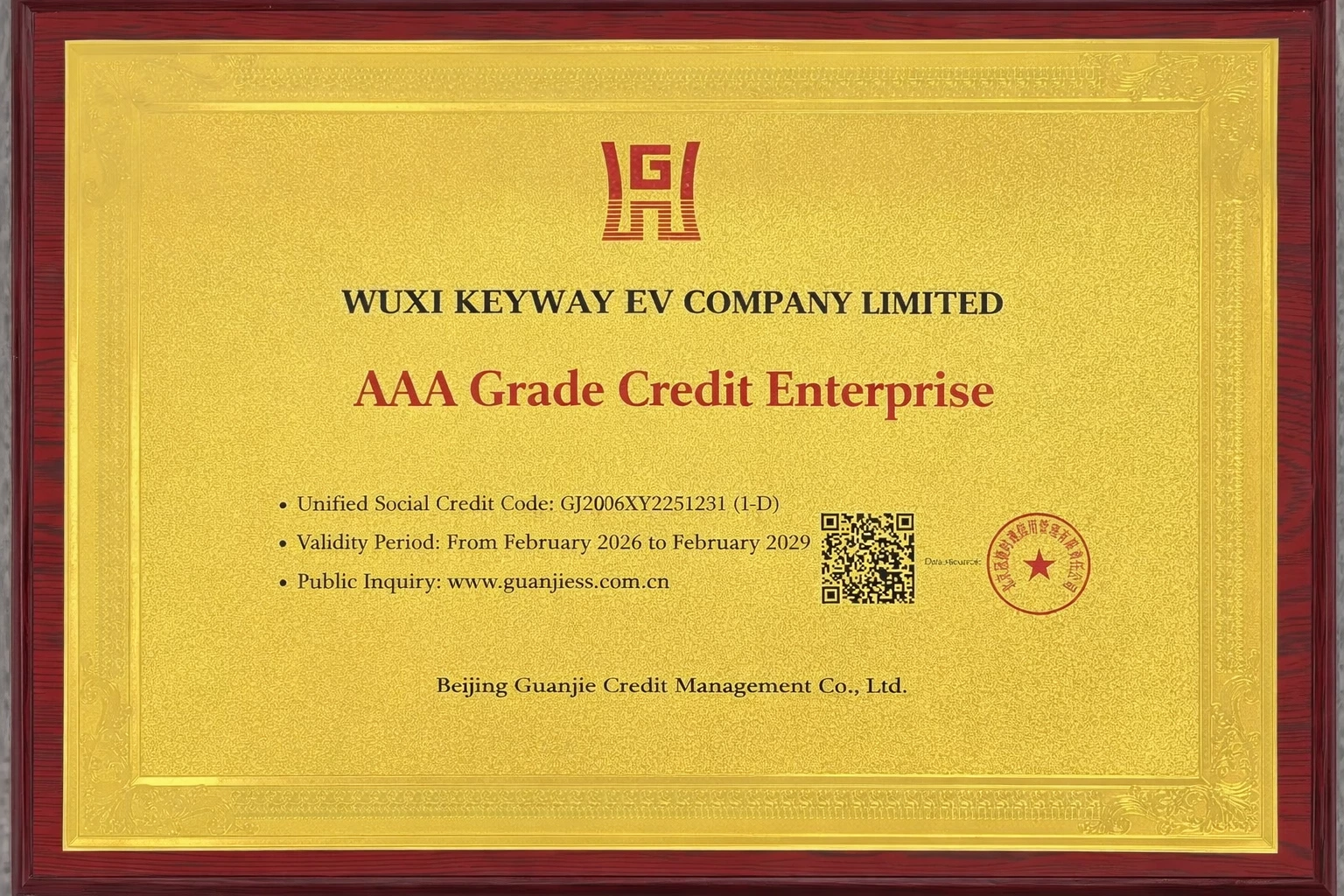
For electric two-wheeler wholesalers, choosing a supplier is one of the most important business decisions. The supplier does not only provide products, but also directly affects product quality, delivery stability, after-sales efficiency, and long-term business growth.
Many wholesalers focus too much on the initial purchase price and ignore the overall value of supplier cooperation.
A reliable supplier can help reduce risks in several key areas:
1. Production Capability and Delivery Stability
For wholesale buyers, delayed shipments can directly affect market plans and customer relationships.
Before choosing a supplier, buyers should evaluate:
- Factory production capacity.
- Manufacturing process.
- Quality control system.
- Ability to handle large orders.
A supplier with stable production capability can help distributors maintain consistent inventory levels and respond quickly to market demand.
2. Product Quality and Quality Control System
Product quality directly determines the long-term profitability of an electric vehicle business.
A vehicle with frequent failures may create hidden costs after sales, including:
- Warranty expenses.
- Customer complaints.
- Brand reputation damage.
Therefore, wholesalers should pay attention to:
- Production inspection procedures.
- Component quality.
- Real market feedback.
Choosing a supplier with strict quality management helps reduce future operational pressure.
3. Long-Term Spare Parts and Technical Support
The relationship between wholesalers and suppliers should not end after the shipment is completed.
Electric vehicles require long-term support, especially when customers start using products for several years.
A reliable supplier should provide:
- Continuous spare parts supply.
- Technical documents.
- Repair guidance.
- After-sales communication.
Strong after-sales support allows distributors to solve problems faster and improve customer satisfaction.
4. Product Development and Customization Capability
Different markets have different requirements for electric two-wheelers.
A supplier with product development capability can help distributors adapt to local markets through:
- Different vehicle models.
- Customized appearance.
- Logo branding.
- Different battery and performance options.
This flexibility reduces the risk of launching products that do not match local customer needs.
5. Export Experience and Global Market Understanding
International electric vehicle business involves more than manufacturing.
Suppliers with export experience usually understand:
- Different market regulations.
- Shipping requirements.
- Packaging standards.
- Communication differences between countries.
This experience helps reduce unnecessary delays and communication problems during international cooperation.
(《How to Choose a Reliable Electric Two-Wheeler Supplier》)
Building Long-Term Value Through Reliable Manufacturing Partnerships
For wholesale buyers, the ideal supplier is not simply the one offering the lowest price. It is the partner that can provide stable quality, flexible solutions, reliable delivery, and long-term support.
For example, manufacturers with strong production capabilities and international cooperation experience can help distributors reduce risks throughout the entire business cycle.
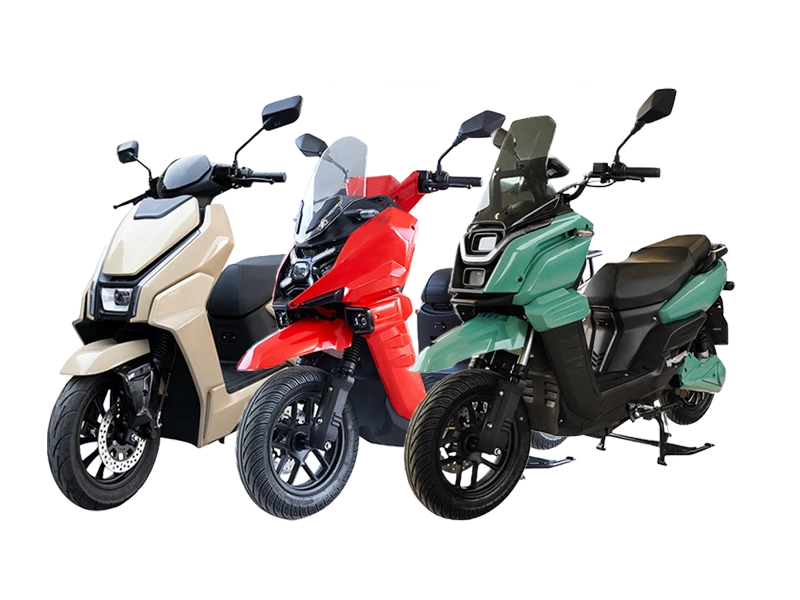
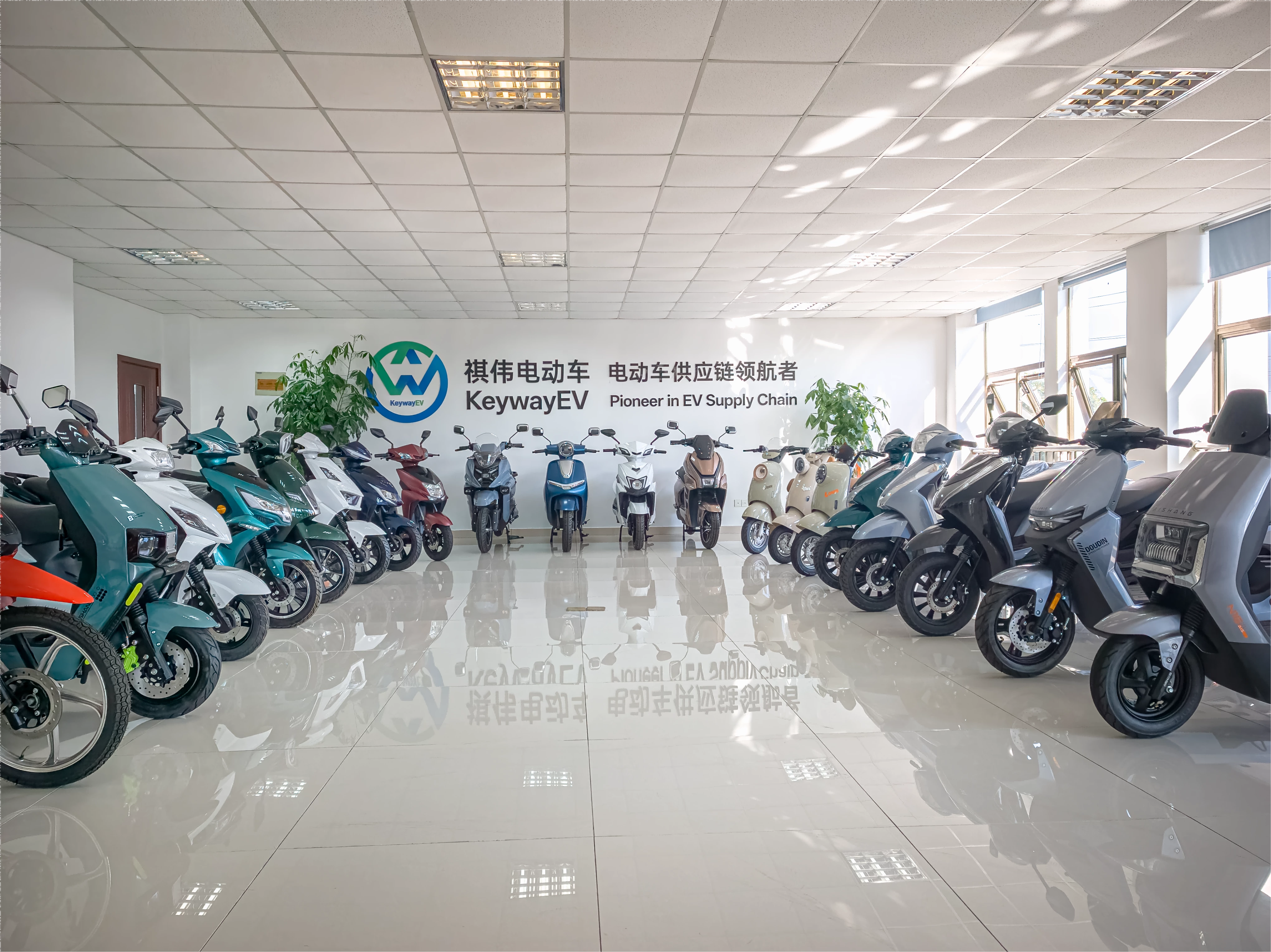
KeywayEV focuses on providing electric two-wheeler wholesale solutions for global markets, offering multiple product categories, OEM/ODM customization services, and flexible supply solutions for different regions. With an expanded production facility of more than 20,000 square meters, the company continues to improve manufacturing capacity and support long-term cooperation with international distributors.
8. Common Mistakes Electric Two-Wheeler Wholesalers Should Avoid
Mistake 1: Choosing suppliers only based on price
The lowest purchase price may lead to:
- Poor quality.
- Higher warranty costs.
- Customer dissatisfaction.
The real goal should be reducing total business costs.
Mistake 2: Importing too many models too early
A wide product range may look attractive, but it increases:
- Inventory pressure.
- Spare parts complexity.
- Training costs.
Start with proven models and expand gradually.
Mistake 3: Ignoring after-sales planning
A successful EV business requires planning beyond the first shipment.
Before ordering, wholesalers should consider:
- Spare parts availability.
- Technical support.
- Warranty process.
Final Checklist: How Wholesale Buyers Can Build a Lower-Risk EV Business
Before placing a bulk order, ask these questions:
✅ Is this product suitable for my target market?
✅ Does the supplier have stable production capability?
✅ Are spare parts available for long-term business?
✅ Is the maintenance process simple?
✅ Can the supplier support customization?
✅ Can this product line support future growth?
Conclusion: Electric Two-Wheelers Are Not Only Products, They Are Risk Management Tools
For wholesalers, the success of an electric vehicle business does not depend only on buying vehicles at a lower price.
The real competitive advantage comes from building a complete business system:
- Reliable supply chain.
- Proper product selection.
- Lower after-sales pressure.
- Long-term customer relationships.
The right electric two-wheeler strategy allows wholesalers to reduce uncertainty, control costs, and build a sustainable business in the growing EV market.