Lead-Acid Battery vs Lithium Battery: Which Is Better for Electric Motorcycles and Scooters?
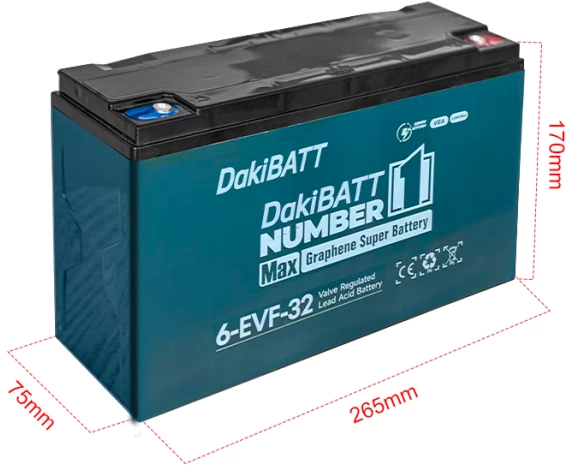
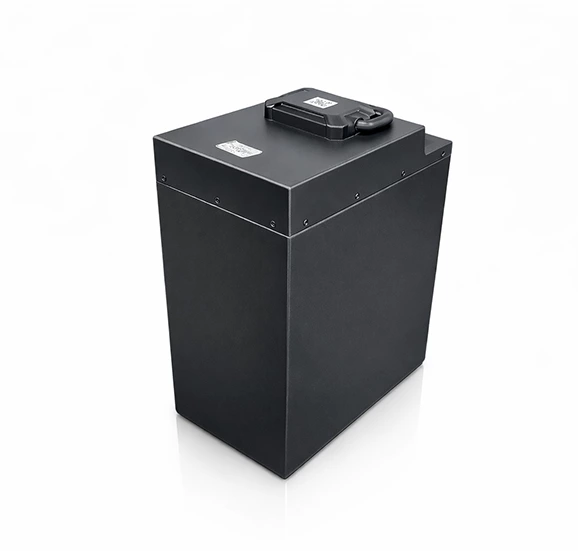
For electric motorcycles and electric scooters, the battery type has a direct impact on vehicle cost, riding range, performance, and lifespan. The two most commonly used battery options are lead-acid batteries and lithium batteries.
This article explains the key differences between lead-acid and lithium batteries to help you choose the most suitable solution for electric motorcycles and scooters.
What Is a Lead-Acid Battery?
A lead-acid battery is a traditional battery technology made of lead plates and liquid electrolyte. It is widely used due to its low initial cost and stable supply chain. Lead-acid batteries are commonly applied in entry-level electric scooters and low-speed electric motorcycles.
What Is a Lithium Battery?
A lithium battery usually refers to a lithium-ion battery, such as ternary lithium or lithium iron phosphate (LiFePO₄). Lithium batteries are known for their high energy density, light weight, and long service life, making them ideal for higher-performance electric motorcycles and modern electric scooters.
Lead-Acid Battery vs Lithium Battery: Key Differences
Weight and Energy Density
Lead-acid batteries are heavy and have lower energy density, which increases vehicle weight and reduces riding efficiency.
Lithium batteries are much lighter and store more energy in a smaller size, improving acceleration, handling, and overall riding experience.
Range and Performance
Electric scooters and motorcycles using lead-acid batteries usually have a shorter riding range and experience faster performance degradation over time.
Lithium batteries provide longer range and more stable power output, even at higher speeds.
Battery Lifespan
A lead-acid battery typically lasts 300–500 charge cycles.
A lithium battery can last 800–2000 cycles or more, making it a better long-term solution for daily riding and commercial use.
Cost Comparison
Lead-acid batteries have a lower upfront price, which helps reduce the initial cost of electric scooters and motorcycles.
Lithium batteries cost more initially but significantly reduce replacement frequency and long-term maintenance costs.
Charging and Maintenance
Lead-acid batteries require longer charging times and are sensitive to deep discharge.
Lithium batteries support faster charging and are equipped with a Battery Management System (BMS) for improved safety, stability, and efficiency.
Environmental Impact
Lead-acid batteries contain heavy metals and require strict recycling management.
Lithium batteries are more environmentally friendly and better aligned with global clean energy and electric mobility trends.
Which Battery Is Better for Electric Motorcycles and Scooters?
Lead-acid batteries are suitable for short-distance commuting, budget-focused electric scooters, and low-speed electric motorcycles.
Lithium batteries are better suited for high-performance electric motorcycles, long-range electric scooters, and high-frequency riding applications.
Providing both lead-acid and lithium battery options allows electric motorcycle and scooter models to meet diverse market demands.
Lead-Acid vs Lithium Battery Comparison
| Item | Lead-Acid Battery | Lithium Battery |
|---|---|---|
| Initial Cost | Lower | Higher |
| Weight | Heavy | Light |
| Riding Range | Shorter | Longer |
| Lifespan | Shorter | Longer |
| Charging Speed | Slower | Faster |
| Maintenance | Higher | Lower |
| Market Trend | Traditional | Growing |
Conclusion
Both lead-acid batteries and lithium batteries play important roles in electric motorcycles and electric scooters. The best choice depends on vehicle positioning, riding frequency, and budget. Selecting the right battery solution can greatly improve product competitiveness, performance, and user satisfaction.